The Ukrainian system for the development of sport is based on Soviet-era mechanisms that do not work in a market economy or a democratic society. Whilst taxpayers’ money is being spent on palliative support for this system, more and more people are calling for the development of sport to be aligned with the European model.
And whilst the general principles of the European club-based sports system are no longer a secret, the details of exactly how European countries and cities develop sport are not easy to find, let alone in Ukrainian. A further challenge is the fact that the ‘European model’ is a broad term covering a variety of approaches across different countries and cities. Although united by common features, European countries have their own distinctive characteristics, shaped by the unique history of each nation.
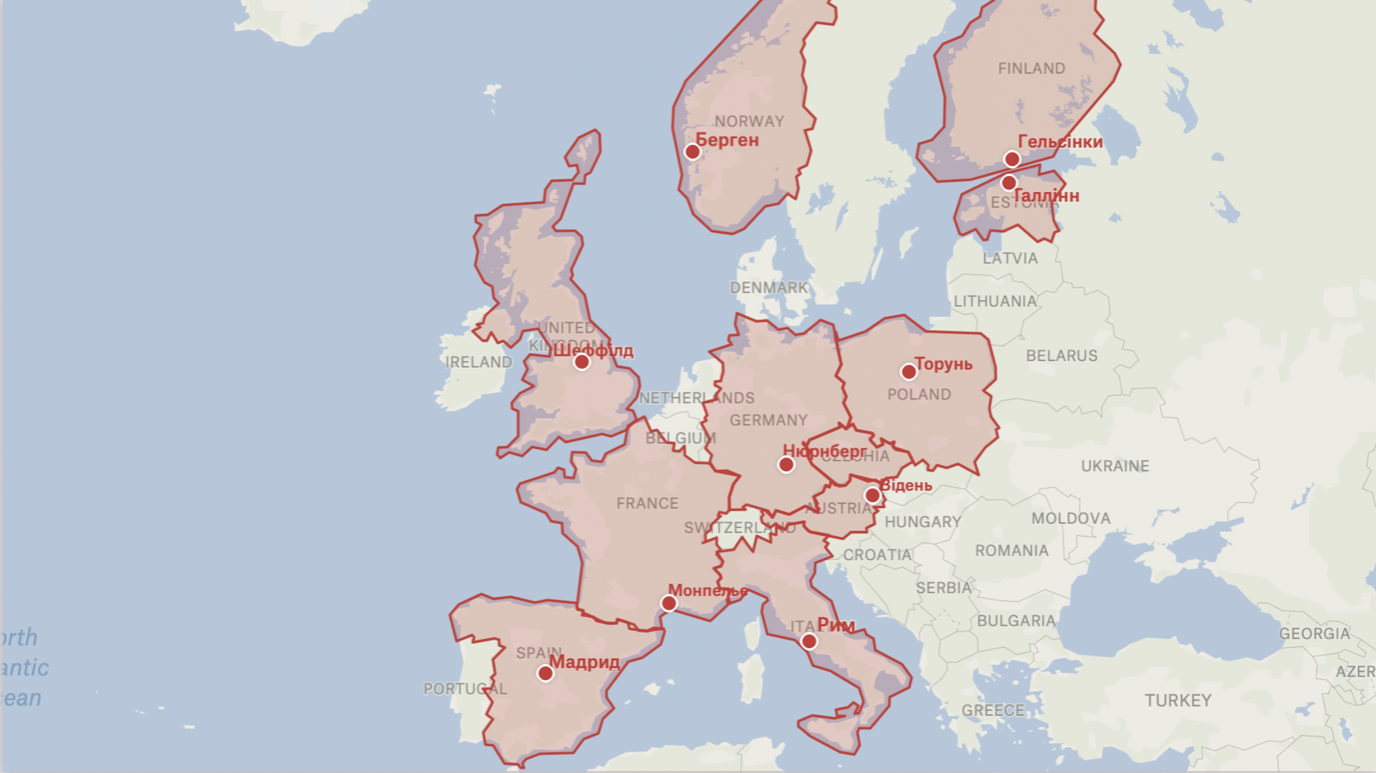
So today we are presenting a study on municipal funding for sport in 10 European cities. The aim of the study is to identify common features and differences in approaches to funding sport. As a bonus, it gives readers the opportunity to see, through the eyes of local residents, how they interact with their city’s sports departments. Finally, we will compare the key principles and perspectives on sport in Europe and Ukraine.
So, we have selected 10 European cities and will attempt to answer the following questions:
- How do local authorities communicate their objectives for the development of sport?
- What proportion of the city’s total budget is allocated to sport?
- How exactly are these funds used?
- What distinctive features does this city have that others do not?
How did we select the cities?
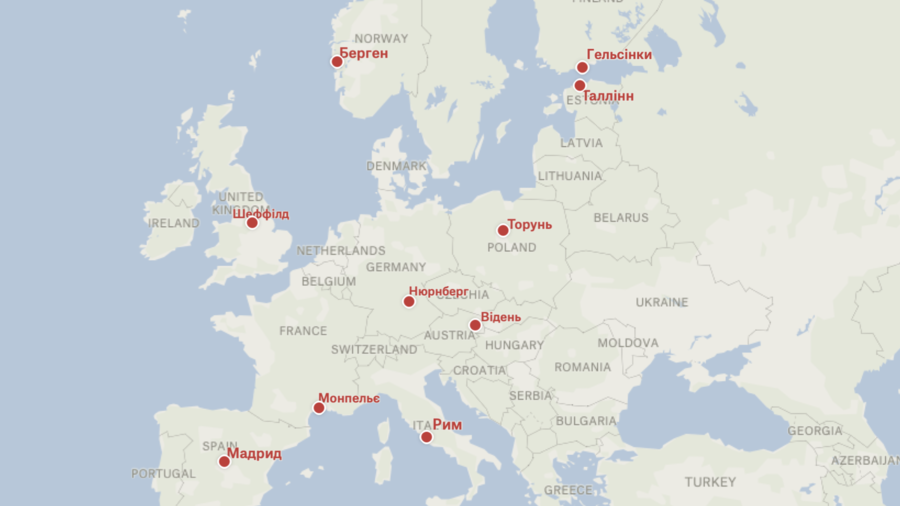
As the aim of the study is to cover as wide a range of funding models as possible, we looked at one of the most comprehensive classifications of European sports models. This is the 2004 Vocasport study, commissioned by the European Commission. In this in-depth research study, the sports system of each EU country was analysed from political, economic, social and cultural perspectives. Another study, building on Vocasport and worthy of attention, is Ian Henry’s work “European Models of Sport: Governance, Organisational Change and Sports Policy in the EU”. Based on these classifications, 10 European countries and 10 European cities were selected: 5 capital cities and 5 smaller cities.
Contents:
- Tallinn (Estonia) 🇪🇪
- Madrid (Spain) 🇪🇸
- Helsinki (Finland) 🇫🇮
- Vienna (Austria) 🇦🇹
- Rome (Italy) 🇮🇹
- Sheffield (United Kingdom) 🇬🇧
- Nuremberg (Germany) 🇩🇪
- Toruń (Poland) 🇵🇱
- Montpellier (France) 🇫🇷
- Bergen (Norway) 🇳🇴
- Conclusions
Tallinn, Estonia 🇪🇪
Tallinn is the capital of Estonia and has a population of 437,811 (roughly the same as Mykolaiv or Mariupol before the occupation).
📜 Historical background
The organisation of sport in Estonia has historically been built around clubs – voluntary non-profit associations. The first club was founded in 1863, as an extension of the German gymnastics system known as Turnvereine, which was popular at the time. The Estonian sports movement flourished in the 1920s following the attainment of independence.
In 1919, the Estonian Sports Association (Eesti Spordi Liit) was founded, which brought together clubs and even sent a team to the 1920 Olympic Games in Antwerp, but it soon outgrew its capacity and encouraged clubs to form their own federations. In 1921, the Estonian Football Federation and the Estonian Winter Sports Federation were established, setting an example for other sports. In 1923, the federations merged to form the Central Sports Union of Estonia. The government established the Cultural Endowment of Estonia, the funds from which were used to support sports clubs.
Estonia was annexed by Soviet russia following the Nazi-Soviet agreement (the Molotov–Ribbentrop Pact) in 1940 and re-occupied in 1944, towards the end of the Second World War. As of 1940, Estonia had 10 federations and 11 regional sports associations, which together comprised 350 sports clubs.
Following the occupation, all of Estonia’s sports organisations and clubs were banned as ‘relics of the old oppressive regime’, and some members of the former Estonian sporting community were shot or sent to labour camps. The USSR established complete state control over the sports system. From 1944 to 1990, Estonia’s sports organisations were centrally managed from Moscow. Sports clubs were organised by the state and served the purpose of training the workforce for the planned economy and winning medals to enhance the prestige of the USSR. Of the 9,507 different sports groups, sections, schools and clubs, only 37 bore the name ‘sports club’, yet they lacked the key characteristics of clubs – freedom of decision-making, democratic decision-making and voluntary membership.
Following the collapse of the USSR in 1991, Estonia returned to the sporting model that had existed prior to the occupation. The National Sports Congress decided that sport would be developed through voluntary organisations – sports clubs. In 2005, a new Sports Act allowed sports clubs to operate on a commercial basis as well.
🎓 Legislative framework
The main laws and regulations governing sport in Tallinn:
💰 Budget
Tallinn’s total budget for 2022 amounts to 1.03 billion euros. Of this, 16 million euros (0.015 per cent) has been allocated to sport and physical activity.
Of this amount:
| Sports infrastructure | €8.5 million |
| Sports grants | €6.2 million |
| Tallinn Sports School | €1.3 million |
Separately, the budget allocates €2.5 million to support international and local competitions organised by federations and clubs, and €9 million for investment in sports facilities. Of the €8.5 million allocated to infrastructure, €3 million is expected to be recouped as revenue.
Approach to development
The city implements its objectives for the development of sport through sports clubs. This is achieved in two ways: grants to clubs and club membership of the Tallinn Sports School.
✅ Grants
Grants for sporting activities are aimed at supporting clubs that provide services to children aged 7 to 19 and people with disabilities.
Process
Grant applications are submitted once a year via the city’s online system. A seven-member committee reviews the applications and makes a decision. If the decision is positive, a contract is signed with the club.
Eligibility criteria
- have at least 25 regular members
- the club must employ coaches of at least category 4 (category 5 if there are more than 100 members)
- the services must not be ‘recreational sport’ – i.e. not gyms or aerobics
What the funds can be spent on
- coaches’ salaries
- hire of facilities
- up to 30% of other expenses (transport, participation in competitions, etc.)
Monitoring
- At the end of the grant period, the club must submit a report and bank statements
- The Sports Department may carry out random checks at any time and request documents confirming that the funds have been used for their intended purpose
- Failure to comply with the terms and conditions will result in the contract being terminated, the funds being reclaimed, a three-year ban on receiving grants, and the information being published on the city council’s website
How the amount is calculated
Tallinn uses a coefficient-based system to calculate the amount of support for each application. This takes into account factors such as the number of members, age groups, type of sport, priority of the sport, ranking within the relevant sports federation, coaches’ qualifications and the club’s level. The full calculation formula is too complex to describe accurately on a single page.
Here is an example of one of the points from the regulations:
Ranking coefficient in sports leagues:
4.3. If a club is in the top third of the ranking, the subsidy amount X is calculated based on the number of members receiving support in the bottom third of the ranking (paragraph 6, points 1, 2, 3) multiplied by 0.5, or by 0.3 if the sports organisation is not in the ranking or did not take part in national competitions, which is the sum Y. If there are organisations with a coefficient of 0.3, then Y is obtained by adding the results of multiplying X by 0.5 and X by 0.3. The result Y is subtracted from the subsidy amount X. The result of the subtraction, Z (Z = X – Y), is divided by the total number of supported athletes in the bottom third of the ranking. The result of this division is added to the total support from the top third of the ranking, already calculated on the basis of paragraph 6 of section 1, based on the number of members.
🥹
The grant announcement on the city council’s website in February gave the following figures: 160 sports organisations, 22,290 athletes, 555 coaches, €220 per person + an additional €50 per person for more established clubs.
✅ Tallinn Sports School
Since 2016, Tallinn has also been home to the Tallinn Sports School – a municipal organisation that reports to the city and focuses on training competitive athletes. The school brings together clubs from various sports under one roof. Any club can apply for membership of the school, provided it meets certain requirements and has athletes of the appropriate standard.
🧐 Key features
- Grants for the development of sport are awarded to clubs of both commercial and non-profit ownership. This differs from other cities in this study, where sports grants can only be received by non-profit organisations. (We analysed the reasons for this in the article “Why are EU sports clubs non-profit organisations?”)
- There are no incentives for clubs to develop sport for middle-aged and older people, with the focus being predominantly on children and young people. The need to rapidly develop the club system in the 1990s led to a grant structure that encouraged the creation of small clubs run by one or two enthusiastic coaches and focused on children. Small clubs survived mainly thanks to grants and did not develop into self-sustaining non-profit organisations attracting a wide range of members and sources of income. This, in turn, resulted in low coaches’ salaries, a lack of prospects for young talent, and limited interest from potential sponsors, which is holding back the development of sport in Estonia.
- The influence of Soviet sports ideology has also shaped the current model of sports funding in Tallinn – the establishment of the Tallinn Sports School is viewed by some clubs as a ‘return to the DYuSSh’ (Soviet-style children and youth sports schools). Clubs founded by coaches who trained during the Soviet era show no signs of being democratic clubs and are non-profit organisations in name only; in practice, they are run by a single person.
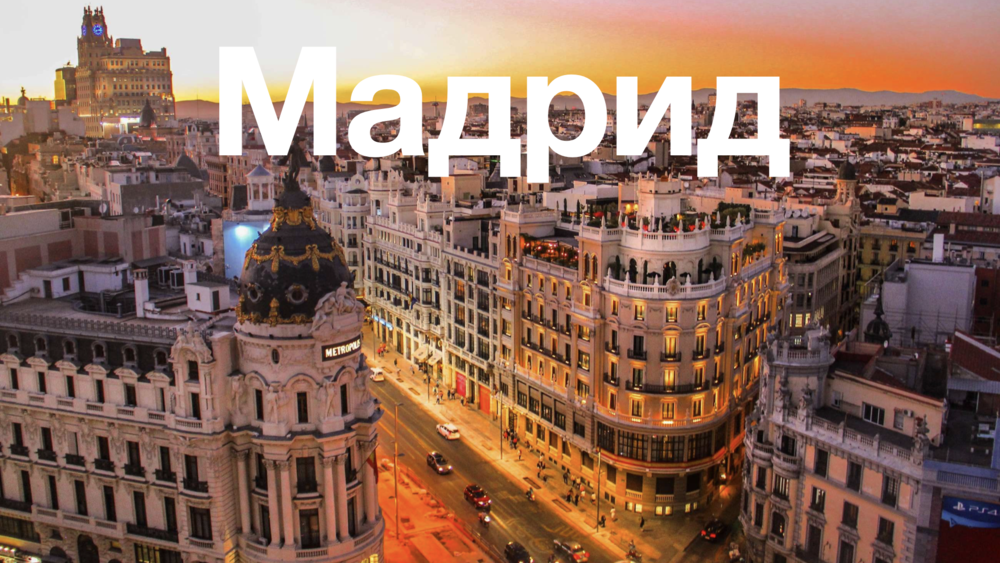
Madrid, Spain 🇪🇸
Madrid is the capital and largest city of Spain. The city has a population of 3.2 million people (which is more than Kyiv).
📜 Historical background
Organised sport came to Spain, as it did to most European countries, from Britain, albeit relatively late. The first Spanish sports clubs were founded in the late 19th century, mainly by young people who had travelled to neighbouring countries to study, or by workers from other countries. One of the best-known examples is the story of Hans (Joan) Gamper – a Swiss engineer who founded FC Barcelona. The British model laid the foundations for democratic principles: athletes and sports enthusiasts were both the managers and the founders of the clubs.
A radical change in the structure of Spanish sport took place following the end of the Civil War in 1939, coinciding with the start of Francisco Franco’s dictatorship. Sports clubs and federations lost their autonomy, freedom of decision-making and the democratic election of their governing bodies. The National Sports Delegation – an organisation created by the new dictatorial government to control sport – now appointed the heads of the federations, who, in turn, either blocked or allowed certain individuals to hold leadership positions within clubs. Although sports clubs remained virtually the sole source of the opposition movement, their operations were now controlled by the state. In their constitutions, clubs were required to agree to be subordinate to the National Sports Delegation.
The dictatorship came to an end with Franco’s death in 1975. Spain rapidly embarked on a process of democratisation. Sport was enshrined in the new Constitution of 1978, and in 1980 the ‘Law on Physical Education and Sport’ was passed. The number of sports clubs grew rapidly, the government began to invest heavily in sports infrastructure, and local authorities actively promoted grassroots sport. This period is even referred to as the ‘municipalisation of Spanish sport’. In 1986, Spain joined the European Union. A new Sports Act, passed in 1990, clearly distinguished between grassroots, professional and elite sport. Special legal structures for professional clubs (SAD – Sociedad Anónima Deportiva) were designed to give the state greater control over professional clubs.
At the same time, the management of sport was decentralised – the Spanish autonomous communities adopted their own sports laws. This laid the foundations for one of the defining features of the Spanish sports system: its diversity. Although the Spanish model is based on cooperation between the state and clubs, the state also plays an active role in the provision of sports services.
🎓 Legislative framework
The main laws and regulations governing sport in Madrid:
- “Sports Act” (1990)
- “Law on Grants” (2003)
💰 Budget
Madrid’s total budget for 2022 amounts to 5.8 billion euros. Of this, €2.5 million has been allocated to grants for clubs.
It is difficult to assess the ‘sports’ budget, as it includes both grants and investment in sports infrastructure, and municipal services, which fall under a single category ‘culture, tourism and sport’, but here is an approximate breakdown for 2022:
| Investment in sports infrastructure | €6.9 million |
| Grants to sports clubs | €2.5 million |
| Municipal sports projects | €3.5 million |
🏦 Sports Department
The body responsible for sport in Madrid is the General Directorate of Sport (Dirección General de Deporte), which develops and implements a strategy for the development of sport for the residents of Madrid.
The Sports Department website contains the following sections:
- Group sports activities
- Sports facilities
- Grants for sports organisations to organise competitions
- Grants for sports organisations to support women’s sport
- Mobile app
- ‘Madrid – World Capital of Sport’ catalogue
- Street sport
- Municipal medical centres for athletes and more.
Madrid is actively promoting its brand as the ‘world’s sporting capital’. This is underpinned by fruitful collaboration and grants to sports organisations: clubs and federations, partnerships with schools and healthcare facilities, and investment in sports infrastructure.

Madrid also has its own network of sports centres – 78 multi-purpose sports halls across all districts of the city, which provide basic services free of charge: gyms, sports facilities for various sports, and group classes. You can book facilities or sign up for classes via the mobile app.
✅ Grants
Grants to sports organisations in Madrid for the organisation of sporting activities and competitions are divided into two ‘lines’:
- Line A – For club activities
- Line B – For sports teams’ participation in competitions
There are also two separate grant programmes: one for non-profit organisations to organise sporting events, and one for projects to promote women’s sport.
Process
Grant announcements for the current year are published in the Madrid City Council’s official daily gazette (BOAM – Boletín Oficial del Ayuntamiento de Madrid). They are then disseminated via the department’s official website, news feeds and social media.
Non-profit organisations must apply for grants exclusively via the online system. The application period is two weeks from the date of the announcement. Clubs must submit a description of their projects in as much detail as possible, explaining exactly what they need the money for and why, attach the club’s financial reports, and describe any other sources of funding involved in the project.
Eligibility criteria
- be a non-profit organisation
- have been in existence for more than one year
- be listed in the Madrid register of sports organisations
What the funds can be spent on
- participation in competitions
- purchase of sports equipment
- costs of hiring sports facilities
- club office expenses
- any other expenses that are directly related to the training process
Additional conditions
The Department of Sport sets out in considerable detail the requirements regarding what is eligible for funding and what is not. Here are just a few examples:
- the total amount must be less than the club’s income
- expenses must be supported by receipts
- the price must not exceed the market rate
- if the value of goods from a single supplier exceeds 15,000 euros, evidence must be provided that quotations have been obtained from at least three other suppliers (if available)
Allocation process
Funds are allocated amongst applications on a competitive basis – each application submitted is awarded points based on a set of criteria. The total amount is divided in proportion to the points scored. The assessment is carried out by a committee comprising the director of the sports department, the deputy director responsible for grants, two department specialists and the secretary. The committee’s assessments and conclusions are forwarded to the City Council’s Evaluation Committee (Comisión de Valoración).
Here are the main criteria:
Age of the club:
- less than 2 years – 0 points
- 2–4 years – 1 point
- 5–7 years – 3 points
- more than 8 years – 5 points
Type of sporting activity:
- programmes for schools and young people – up to 18 points (depending on the number of pupils)
- participation in city-level competitions – up to 16 points
- participation in national competitions – up to 24 points
Development of under-represented sports – 6 points
Development of women’s sport – 16 points
Development of school sport – 12 points
Development of inclusive sport – 12 points
Declaration of support (in the club’s constitution) for inclusive sport, regardless of gender, nationality or sexual orientation – 5 points
Coaches’ qualifications – 6 points
Monitoring
The grant recipient must provide a detailed justification for all expenditure. The Department of Sport provides guidance on how to do this, which documents to submit, and so on. This procedure is governed by law and the relevant grant regulations; there are no specific provisions for sports clubs.
If a club breaches or fails to comply with the conditions, the grant is revoked, the club is excluded from future funding programmes, and the matter is treated as an administrative offence.
🧐 Key features
📱 Madrid has its own mobile app Madrid Móvil, where residents can book sports facilities, sign up for classes held in municipal sports centres, search for competitions and sessions, keep up to date with news and announcements from the sports department, and more.
⛹️♀️ A separate grant programme has been set up to encourage women to take part in sport. This forms part of a wider movement within Spain’s sporting community and the drive to level the playing field between men and women. Although the practice of banning women from taking part in competitions is a thing of the past, the world of sport continues to be predominantly created by men for men, and changing the status quo requires a collective effort. Through financial support and incentives for these efforts, Madrid’s sports department is helping to make sport better and safer for all citizens.
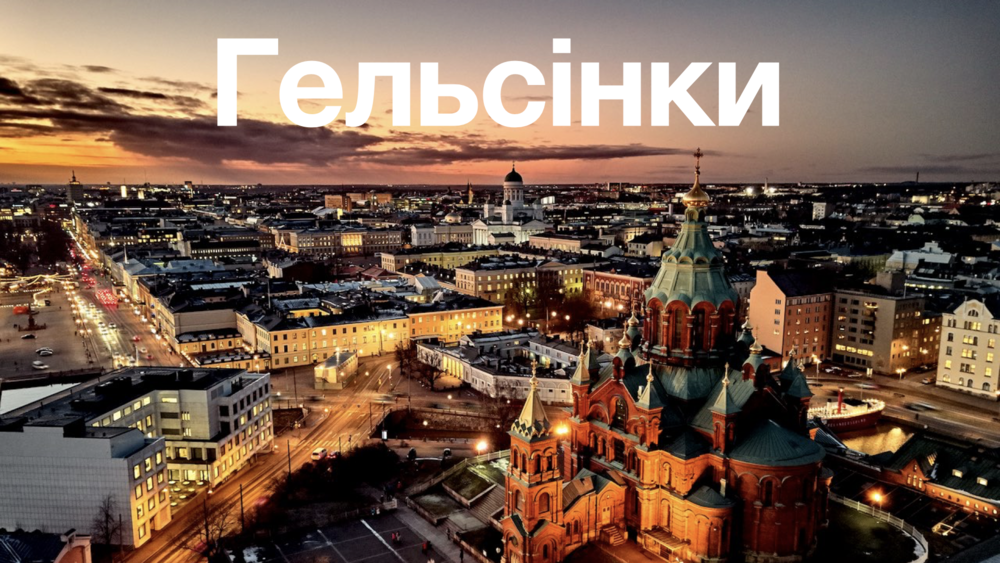
Helsinki, Finland 🇫🇮
Helsinki is the capital of Finland. The city has a population of 631,695 (roughly the same as Lviv or Kryvyi Rih).
Finland joined the European Union in 1995.
📜 Historical background
The roots of Finland’s sporting system are inextricably linked to the history of the formation of civil society. In 1809, Finland was annexed by the russian Empire, but russia’s defeat in the Crimean War (1853–1856) marked a turning point in Finland’s history under russian rule. The Finns realised that russia was not invincible. Western ideas were gaining increasing support. Forced russification gave rise to a demand for defensive nationalism, which in turn shaped civil society. This period in Finnish history is known as the National Revival.
During the National Revival, a Finnish-speaking intelligentsia and press emerged; the first Finnish-speaking schools, libraries and communities were established; and associations and political movements were founded that still exist today. The development of civil society fostered a national sense of how to tackle common problems independently.
Among the first civil society organisations were temperance societies (promoting abstinence from alcohol), trade unions, educational institutions, women’s rights movements and sports clubs.
The first sports club (for yachting) was founded in 1856. It is still in operation today. By 1900, there were 341 clubs in Finland. At the beginning of the 20th century, Finnish clubs became closely linked with other social movements, such as the temperance movement and voluntary fire brigades. However, in the second half of the 20th century, the focus of the sports movement shifted towards competition and greater specialisation and professionalisation of sport.
Today, sport in Finland is based on strong involvement from civil society and active cooperation between the public sector and civil society. The Ministry of Education and Culture oversees the development of sport at national level, whilst local authorities do so at municipal level.
Sport is one of the most popular leisure activities in Finland, which ranks among the highest in Europe in terms of the population’s physical activity levels.
🎓 Legislative framework
- Act on the Promotion of Sport and Physical Activity (390/2015) (English translation)
💰 Budget
Helsinki’s total budget for 2022 is 4.6 billion euros. A total of 55.3 million euros has been allocated to sport, of which 8 million is earmarked for grants to sports clubs.
🏦 Sports Department
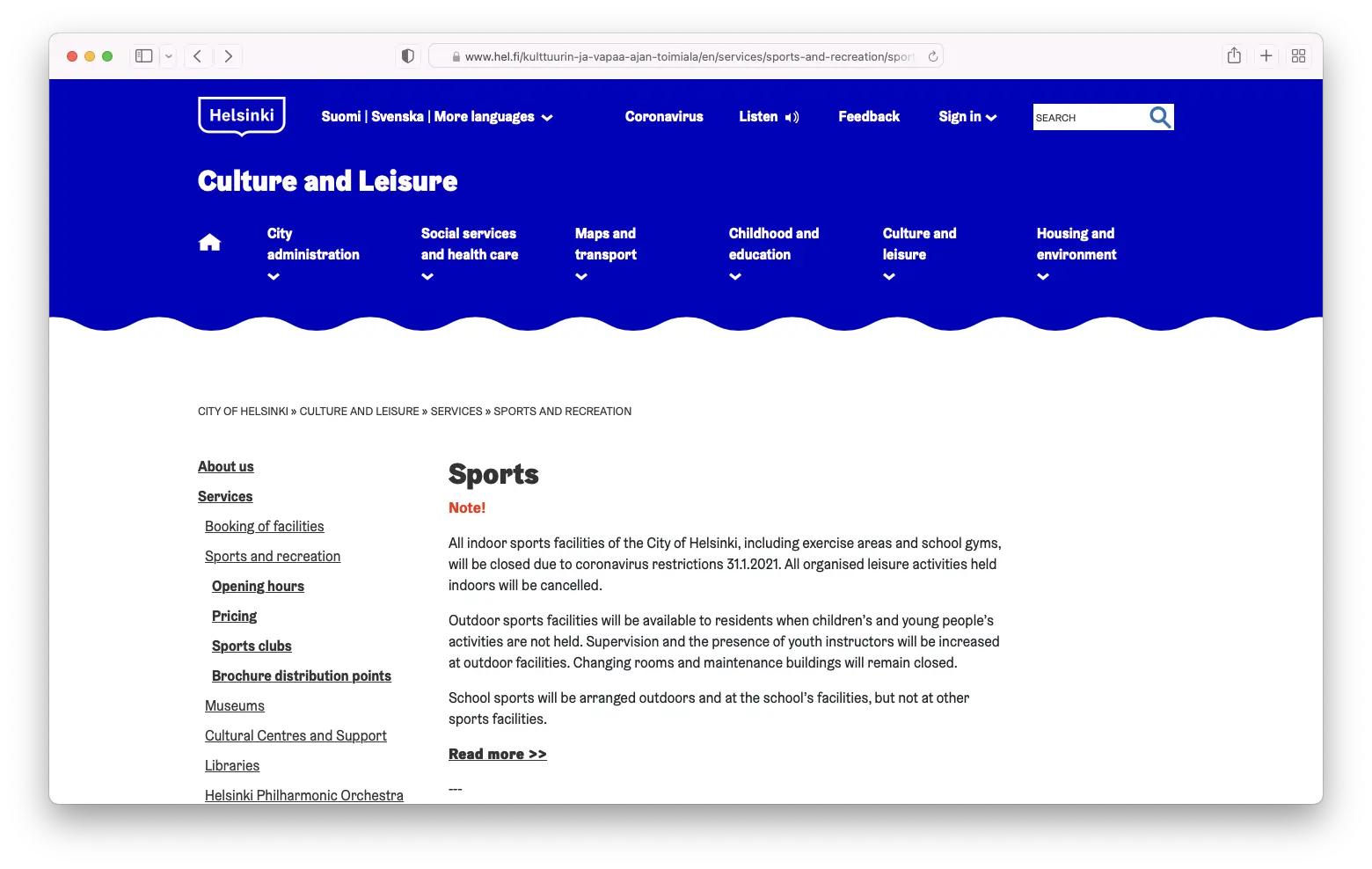
Sports matters in Helsinki are overseen by the Department of Culture and Leisure. It comprises four divisions: culture, libraries, sport and youth. The Sports Division is responsible for developing and implementing the city’s sports policy and managing sports infrastructure. It is, in turn, divided into three areas:
- Sports Development – responsible for supporting sports organisations and events, and organising sporting activities for less active sections of the population or people requiring special conditions for sport
- Sports Infrastructure – responsible for maintaining municipal sports facilities and coordinating their use by clubs and individual athletes
- Recreational Sport – oversees camping and recreational sites, ski trails and outdoor sports facilities and activities, including water-based activities, sport fishing and yachting
The Sports Department’s website offers the following services and information:
- information on sports facilities (indoor and outdoor)
- group classes
- sports and wellness services
- sports clubs
- hire of sports facilities
The section on sports clubs has four subsections:
- how to apply for grants
- how to hire facilities
- information about the Sports Society Parliament (an association of clubs)
- information about awards for sporting achievements (individual grants)
✅ Grants
Helsinki offers a wide range of support to clubs. The following grant programmes are available in 2022:
- Club start-up grant (€500, for newly established clubs)
- Activity grant
- Infrastructure hire grant
- Competition organisation grant
- Grants for sports services for specific under-represented groups (women, older people, migrants, etc.)
- Grants for the creation of sports maps (for orienteering)
- Grants for the promotion of physical activity
- One-off grant schemes (such as post-COVID recovery)
Process
Announcements regarding the availability of grants are published annually on the city council’s website and in relevant news outlets at the end of the year, shortly after the city budget has been approved. The Sports Department posts information on its website and sets the submission deadlines.
Grant applications are submitted exclusively online. Each grant has its own application form.
Let’s take a closer look at the activity grant.
Eligibility criteria
- The club must be a registered non-profit association
- It must have been in existence for more than one year
- At least 50 per cent of its members must be from Helsinki
- Activities must take place at least 10 times every three months
- It must adhere to the principles of ‘good governance’ and ‘fair play’
What the funds can be spent on
This is an unrestricted grant, meaning the grantee may decide at its own discretion what to spend it on and how. The club’s board decides exactly what the funds are to be spent on. The only restriction is that the funds must not be spent on investment or fundraising activities. Furthermore, the grant must cover no more than 80 per cent of the costs (at least the remaining 20 per cent must be covered by other sources).
Allocation process
The total grant amount is allocated proportionally amongst applications in accordance with the formula and the decision of the sports department.
Two criteria are used for the allocation:
- The number of active members (an ‘active member’ is defined as a person who participates at least 10 times every 3 months). Of these, 80 per cent of the assessment is based on children and young people (up to 20 years of age) and 20 per cent on adults.
- The number of coaches holding at least the first level of the national coaching qualification system.
A ‘braking’ mechanism is also applied to changes from the previous year: a club cannot receive more than 20 per cent or less than 30 per cent compared with the previous year if the change in the number of participants was caused by the COVID-19 pandemic.
Monitoring
Each grant recipient is obliged to organise an audit of the use of funds independently. As a rule, this is carried out by third-party firms, but the responsibility lies with the grant recipient.
It is also mandatory to submit a detailed report on the use of the grant within the deadlines specified in the grant agreement. The Sports Department has the right at any time to request statements and documents confirming the use of the grant, as well as to carry out an inspection of the organisation’s activities.
🧐 Key features
🏁 A start-up grant, for which clubs that are less than one year old or have just been registered may apply once. To be eligible, the club must be registered in Helsinki, specify sporting activities as its primary purpose in its articles of association, and declare its commitment to the principles of ‘good governance’ and ‘fair play’. The grant amount is 500 euros.
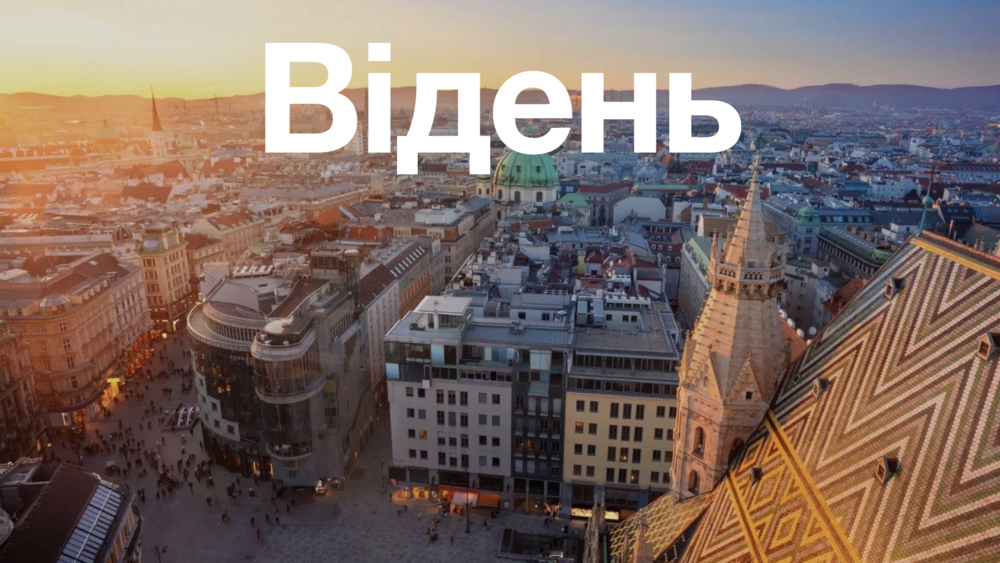
Vienna (Austria) 🇦🇹
Vienna is the capital of Austria with a population of almost two million (roughly the same as our Kharkiv).
📜 Historical background
Austria has one of the most complex systems of sports organisation in Europe. In addition to federations, regional and provincial associations, there are three associations of equal standing – ASKÖ, ASVÖ and SPORTUNION – with the non-profit umbrella organisation BSO above them.
The roots of this diversity, as in most European countries, date back to the mid-19th century. In 1860, Emperor Franz Joseph I introduced a new constitution which liberalised sports clubs. This led to a rapid surge in the emergence of new clubs (fencing in 1864, figure skating in 1867, and cycling in 1869). However, unlike in other countries, the Austrian tradition did not integrate sport into the education system, so the development of the sporting system took on different forms.
Political and religious views were the most important factors here. They led to the founding of three associations that are still active today.
The first was the Austrian Association for Sport and Physical Culture (Arbeitsgemeinschaft für Sport und Körperkultur Österreich, ASKÖ), which brought together working-class clubs aligned with the Social Democratic Party. ASKÖ promoted the idea of mass sport, contrasting it with ‘bourgeois’ sport aimed at winning medals. It is now Austria’s largest sports association, with over a million members and nearly 5,000 sports clubs.
The second such association is SPORTUNION (renamed the Austrian Sports Union in 2002), which originated around clubs aligned with the Austrian People’s Party (Christian Social Party).
The third association – the Austrian General Sports Association (Allgemeiner Sportverband Österreich, ASVÖ) – was founded in 1949, with a single condition for membership: clubs must be politically independent.
It is worth noting that every club in Austria belongs both to the federations for its respective sport and to one of the three associations. At national level, there is a non-governmental organisation, the Austrian Federal Sports Organisation (Österreichische Bundessportorganisation, BSO), which comprises representatives of the federations and the three sports associations.
🎓 Legislative framework
💰 Budget
Vienna’s total budget for the 2022 municipal year is 3.33 billion euros. Of this, 3.5 million euros has been allocated to support sports clubs.
🏦 Sports Department
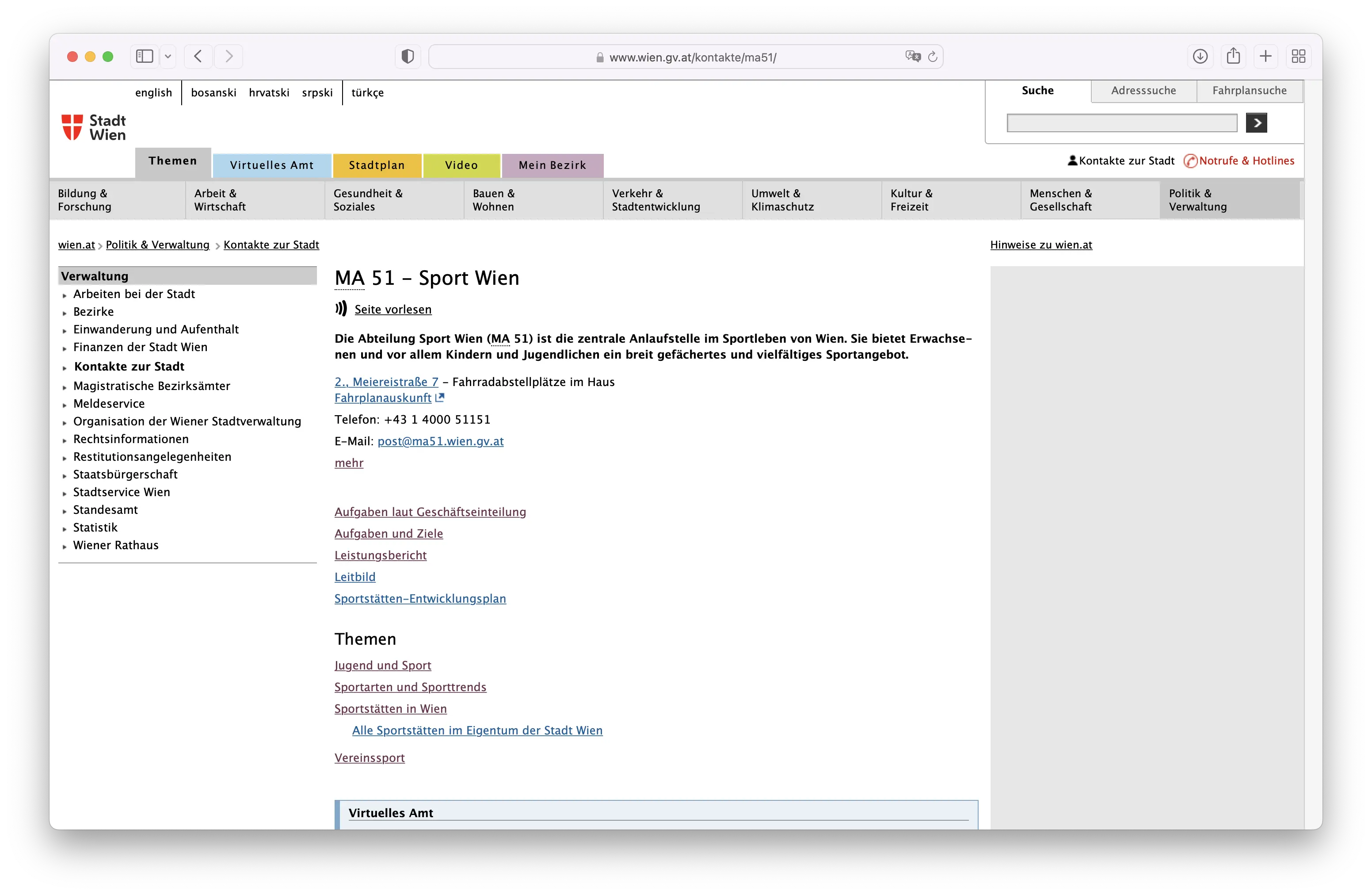
Sport in Vienna is overseen by Municipal Department 51 (MA51), which has three main areas of focus:
- municipal sports halls
- promotion of sport
- development of sports infrastructure
MA51 manages and maintains a few dozen of its own sports halls for the public and looks after open-air sports facilities in the city (such as skate parks). It also allocates access to and maintains 584 school sports halls and 154 sports facilities used by sports clubs and associations.
The development and promotion of sport is supported through the provision of grants to sports clubs.
✅ Grants
MA51 offers the following grants to sports clubs:
- for the hire of sports facilities
- for organising sporting events
- for projects to promote sport
Process
Grant applications must be submitted via the online form on the MA51 website at least 3 months before the start of the project.
Eligibility criteria
- be a non-profit association dedicated to the development of a recognised sport
- be based in Vienna
- not be in the process of bankruptcy
MA51 sets out the conditions for the use of grants in considerable detail. For example:
- clearly explain why this is important for the city
- demonstrate that there is no other way to finance this
- club celebrations or festivals are not funded
What the funds can be spent on
The list of eligible expenses is set out in detail with equal care:
- all expenditure must be at market value
- transport costs – public transport only
- travel – in exceptional cases only
- discounts must be used judiciously
- any changes must be submitted to MA51
- if the grant exceeds 50,000 euros, a tender must be held involving at least three suppliers
- if purchased goods are no longer required, they must be handed over to the municipality
- receipts and accounting records must be retained for 7 years
- the club undertakes to use the municipality’s logo or to declare the use of public funds
Allocation process
The decision to award a grant is made by a committee at MA51, which assesses the quality of the application submitted, the project’s importance to the city, the target groups the project engages in sport, and other factors.
Monitoring
The grant recipient undertakes to submit a report on the project’s implementation and detailed expenditure statements. If it is not possible to prove that the funds were used for their intended purpose, they must be repaid.
MA51 may also carry out random checks of receipts or documents. Failure to comply with the grant conditions will result in the grant being terminated and the club being required to return the funds. Serious breaches will result in exclusion from future funding programmes.
🧐 Key features
📊 The city’s open data provides a more detailed insight into the size and scope of sports grants. Here is a histogram showing grant sizes by club (N=45):
Vienna’s sports grants
Source: wien.gv.atAs we can see, most grants are less than 20,000 euros, with a median of around 10,000 euros.
Rome (Italy) 🇮🇹
Rome is the capital and largest municipality of Italy, with a population of 2.9 million (similar to Kyiv).
📜 Historical background
Italy’s sporting system has historically been based on community sports clubs, though it bears the marks of the Fascist period from 1922 to 1945.
The first clubs emerged in the second half of the 19th century with the formation of the Kingdom of Italy. In the social and political climate of the newly unified Italy, the law encouraged citizens to come together, and sport was seen primarily as an educational activity. Most clubs of that time began as private initiatives by teachers working in schools. Although sport remained for a long time the preserve of the bourgeoisie and men, considerable efforts were made to involve the working class, women and children, thereby establishing sport’s important role in the social structure of the new state.
With the rapid growth in the number of clubs (by 1914, there were 555 cycling clubs alone in Italy!), federations (associations of clubs) for various sports emerged, which, together with the growing Olympic movement, led to the formation of CONI (Comitato Olimpico Nazionale Italiano), which coordinated the federations and was responsible for preparing athletes for the Olympic Games.
However, following the First World War, a fascist regime was established in Italy. The totalitarian regime viewed sport as a tool for controlling the population and for bolstering the regime’s reputation on the world stage. The government swiftly brought sporting organisations under its control and banned community clubs, whilst CONI became the central body overseeing sport in the country.
The centralisation of power and the near-compulsory nature of physical activity had a dual effect: on the one hand, it virtually brought the voluntary movement and community clubs to a standstill; on the other, significant resources were invested in the development of sporting infrastructure. Following the fall of the Fascist regime in Italy in 1945 and the subsequent democratisation of clubs, this contributed to the flourishing of Italian sport.
Since then, CONI has continued to hold a monopoly on the development of sport in Italy; however, separate sports promotion bodies (EPS, Enti di Promozione Sportiva) have emerged from various political movements, positioning themselves as ‘sport for all’ and comprising thousands of clubs – the Italian Sports Centre (CSI), the ACLI Sports Association, the Libertas National Centre, the Italian Union of Sport for All (UISP, Unione Italiana Sport Per tutti), Fiamma, CUS, CSEN and others – initially forming an alternative system to CONI, but later becoming institutions operating in parallel with the sports federations.
Every club in Italy belongs either to the relevant federation or to an association (primarily multi-sport clubs with a focus on the social role of sport). Italy’s professional football clubs are commercial entities; however, the vast majority of clubs are non-profit associations that rely heavily on volunteers. Volunteering is the foundation for the development and prosperity of Italian sport, enabling clubs to survive periods of historical turbulence and a sharp decline in state funding.
🎓 Legislative framework
- Resolution No. 32/2019 – “Regulations on grants for the promotion of sport through sporting events in Rome”
💰 Budget
Rome’s total budget is €6.4 billion. This is the largest budget among the 10 cities in this study. Approximately €33.8 million has been allocated to sport. Of this, €700,000 is earmarked for supporting clubs.
🏦 Sports Department
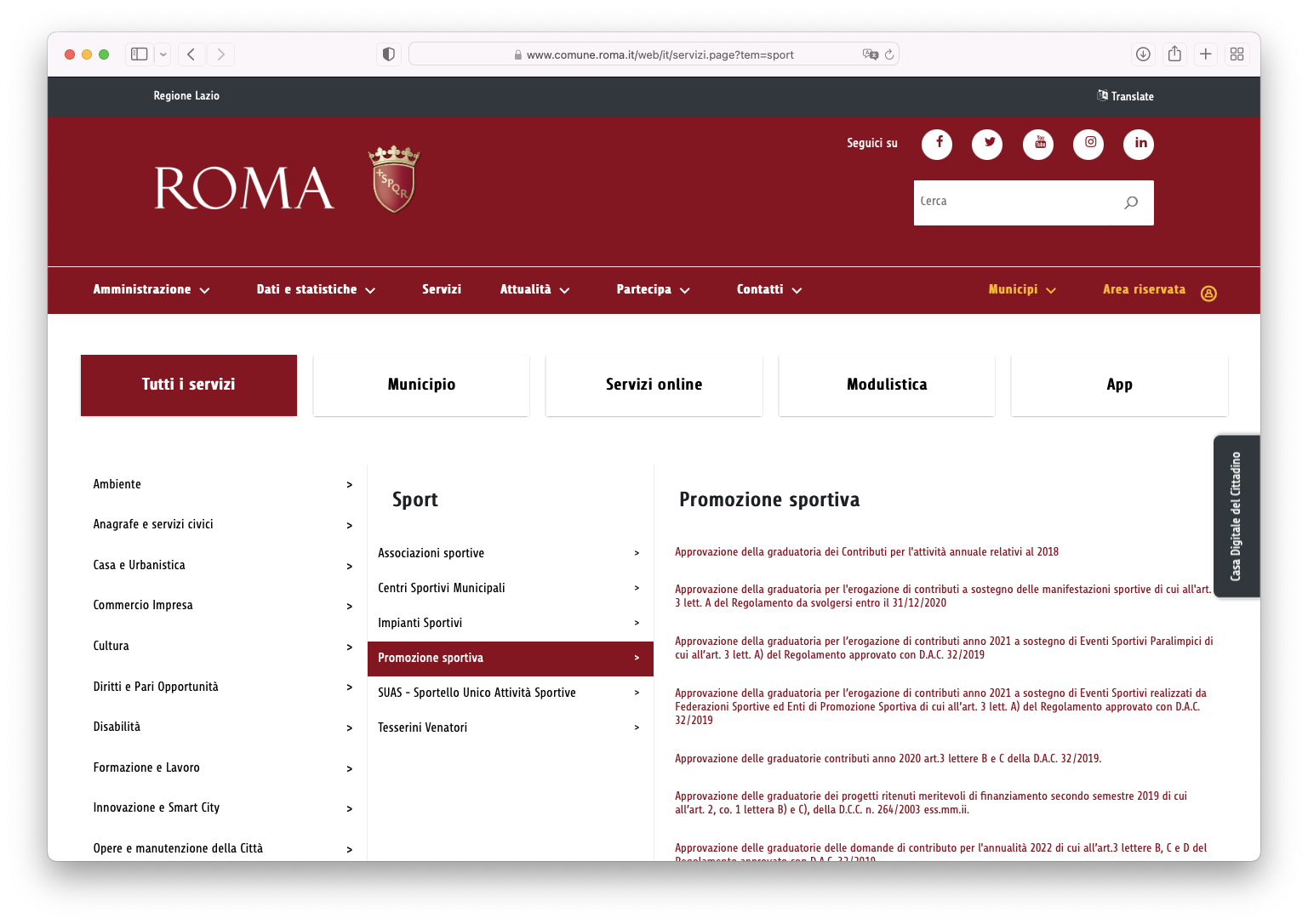
Sport in Rome is managed by the Department of Major Events, Sport, Tourism and Fashion, which has its own page on the city council’s website and provides the following information:
- a register of sports clubs
- municipal sports halls
- sports infrastructure
- grants for the promotion of sport
- SUAS – Online system for sports services
- hunting licences
✅ Grants
The programme to support and promote sport has two strands:
- grants for sporting events
- grants for club activities
The conditions and criteria for supporting club activities are set out in the ‘Regulations on grants for the promotion of sport through sporting events in Rome’. As is customary in almost all grant programmes, the aims and objectives of this support are stated: to promote sport as a key element of social life and the well-being of citizens.
Applications are submitted via the online system or by email. Sports clubs are assessed according to the following criteria:
- activity over the last 3 years
- the number of people involved in sport
- the number of athletes competing in events
- the provision of classes for people with disabilities
- the provision of classes for older people
- the provision of initiatives to support low-income groups
- achievements in competitions at various levels
The procedures for applying for a grant, as well as the rules for reporting and monitoring implementation, are set out in other grant regulations.
🧐 Key features
🏦 It is worth noting the non-standard allocation scheme: 20 per cent of the total amount is distributed equally amongst all grant recipients, and 80 per cent is allocated according to the points scored.
Now let’s move on to smaller cities that are not capitals.
Sheffield (United Kingdom) 🇬🇧
Sheffield is the tenth most populous city in the UK, with a population of 557,000 (roughly the same as Kryvyi Rih).
It is home to the EIS (English Institute of Sport) and boasts the title of National City of Sport.
📜 Historical background
The UK is the cradle of organised sport in the world. The rise of the British Empire, and with it the economy, led to the Industrial Revolution – a historic transition from an agrarian economy and manual labour to a machine-based economy and factory production. This period had a profound impact on almost every aspect of life in most countries around the world, including sport.
One of its consequences was a reduction in working hours, increased urbanisation of the population and the emergence of the middle class. By the mid-18th century, horse racing, boxing, cricket and ‘folk football’ were already popular in Britain; however, it was the emergence of a class with an interest in sports betting that led to the systematic organisation of sport. Rules were standardised, schedules for races and matches were published, and the number of people willing to buy a ticket to a sporting event grew. Common rules allowed competitions to be held between schools and universities.
In those days, schools were inextricably linked to churches, so sport also found its niche within religion. A whole movement known as ‘muscular Christianity’ was launched, which promoted athleticism as one of the moral values for boys and men. The first football clubs were formed by factory workers and missionaries. Aston Villa, for example, was founded at the Aston Villa Wesleyan Chapel in 1874. It was former public-school pupils, moving to different towns and cities, who spread the practice of organised sport across the island and, later, to other countries.
This tradition of self-organised sport and the significant role of volunteering laid the foundations for the modern European model of sport. Among the key values of organised sport were socialisation and coming together around shared interests. Sport became the main tool for uniting an increasingly urbanised society, and socialisation was a value in its own right. This explains, for example, why many British clubs have strong links with local establishments, such as pubs.
In the second half of the 19th century, the professionalisation of sport began, driven by the rapid development of newspaper printing technology and the railway network. It became easier for fans to follow their teams’ progress or travel to neighbouring towns for matches. Rising wages and increased leisure time fuelled demand for professional sport, particularly in football and rugby, which raised the question of the distinction between amateur and professional sport.
Over the following century, British sport went through various phases, yet remained true to the tradition of uniting people around a shared enthusiasm. As with other voluntary associations, sports clubs have a strong sense of independence, tradition and connection to the town in which they are based. Federations and associations, many of which were formed in the 19th century, are also seen by clubs as representing their interests, rather than those of the state.
🎓 Legislative framework
Sheffield is currently developing a city-wide strategy for sport – the Sport and Leisure Strategy. Currently, the key documents are “Move More – Sheffield’s five-year physical activity strategy” and Sport England’s strategy.
In addition, the following strategies are in place:
- The Move More Plan – A framework for increasing physical activity in Sheffield 2015–2020
- Sheffield Joint Health & Wellbeing Strategy 2019–2024
- The Outdoor City Strategy
- Sheffield City Region Active Travel – Implementation Plan
- Building Better Parks Strategy
- Connecting Sheffield
- Age Better in Sheffield
The remainder of the description of sports funding in Sheffield falls under the ‘Key features’ section.
🧐 Key features
Sheffield does not have its own Department of Sport or its own funding programmes for clubs or competitions. A significant proportion of the city’s capital investment budget (11 per cent) is spent on the construction and maintenance of sports infrastructure (Sheffield inherited significant sports facilities following the 1991 Summer Universiade, known as the World Student Games).
This is not unique to Sheffield, but rather characteristic of the UK’s sports funding model. Sports clubs can receive grants from Sport England (this year’s grant budget totalled £350 million), as well as from a large number of other funds and organisations.
In general, the network and system of grants in the UK differs significantly from that of other European countries. To find grants, clubs are advised to use specialised resources such as grantsonline.org.uk.
Here are just a few of the hundreds of funds recommended to sports clubs as sources of additional funding:
- Small Grants Fund
- Active Together Fund
- Places and Spaces Fund
- Together Fund
- Strategic Facilities Fund
- University grants for clubs
- Aviva Community Fund
- Bright Ideas Fund
- Community Foundations
- Landfill Communities Fund
- Lloyds Bank Foundation
- Power to Change
- Social Investment Business
- The Football Foundation
- Lottery funding
- One Family Foundation
- Premier League and FA Facilities Fund
- Cash 4 Clubs
Nuremberg (Germany) 🇩🇪
Nuremberg is Germany’s 14th largest city by population and the second largest in Bavaria, with 515,543 inhabitants (comparable to Mykolaiv).
According to statistics from 2008, around 16 per cent of the physically active population are members of sports clubs, whilst 8 per cent use commercial fitness centres. As of 2020, there were 300 sports clubs operating in the city, with a total of 122,435 members (almost 22 per cent of the city’s population).
📜 Historical background
The history of the development of Germany’s sports system is one of the best researched and documented. It has two key features: the German tradition of gymnastics clubs, which was emulated by neighbouring states, and the ‘natural experiment’ involving two models of sports governance during the division between East and West Germany.
The tradition of gymnastics clubs (Turnvereine) was established in the early 19th century by Friedrich Ludwig Jahn – a teacher and pioneer of the physical education movement, and the inventor of such gymnastics apparatus as the horizontal bar and parallel bars. His model of ‘Turnen’ clubs (turnen literally means ‘gymnastics’) had a very specific format and philosophy. These were gymnastics sessions for young men (mainly grammar school pupils), who wore identical white-and-grey tracksuits and a sash. They addressed one another as brothers, using the informal ‘Du’ instead of the ‘Sie’ that was customary at the time.
The Turnen club movement was closely linked to the emergence of national self-identity and the aspiration to foster a generation of citizens strong in spirit and body who would shape the new nation of a united Germany. These clubs cultivated democratic values and the ideals of voluntary association amongst patriotic young people.
The turbulent history of the German states in the 19th century led to the Turnen movement being completely banned and reinstated on several occasions. Friedrich Ludwig Jahn himself was imprisoned, whilst his followers were forced to emigrate to other countries (including the USA), where they continued and spread the format and ideals of gymnastics clubs. However, by the beginning of the 20th century, voluntary gymnastics clubs in Germany had over 750,000 members, the majority of whom were from the working class. The main umbrella association, the Arbeiter Turnerbund, added the word ‘sport’ to its name (becoming the Arbeiter Turner- und SportBund, ATSB), reflecting its openness to other sporting movements, particularly British football.
The democratisation of the German club system (encouraging as many people as possible to take part in sport, regardless of their religious or political views) came to an abrupt halt after Adolf Hitler came to power. One of the first measures was the introduction of the so-called Führerprinzip – effectively dismantling the democratic election of club governing bodies. Clubs were now to be run by officials appointed by the Nazi regime. The clubs’ umbrella associations were dismantled and new bodies, controlled by the party, were established. Following the 1936 Olympic Games, the clubs became instruments of state policy regarding the training of military personnel.
On 8 May 1945, Germany surrendered in the Second World War. The Allied forces (the Anti-Hitler Coalition) introduced the so-called Directive 23, which banned all gymnastics clubs in Germany on the grounds that they were closely linked to the Nazi Party. The Allies did not share a unified view on what to do with sport in this territory. Britain and the USA proposed a return to a democratic club system; the French were more sceptical but also advocated a decentralised system; however, the Soviet Union favoured a centralised, state-controlled system that was not very different from the Nazi one.
In 1949, Germany was divided into West Germany (FRG) and East Germany (GDR). West Germany reverted to the club system, reviving the organisations that had existed before Hitler – this led to a rapid increase in participation in sport, particularly among refugees and internally displaced persons. As the first President of the FRG, Theodor Heuss, noted, “many people found a ‘new home’ in sports clubs and a path to recovery from the horrors of the war”. The GDR, on the other hand, emulated the Soviet centralised system of state schools and the ban on clubs. Following the fall of the Berlin Wall in 1989 and German reunification, a club system was also established in the GDR; however, the legacy of the Soviet system is still clearly evident in participation in sport today: only 15 per cent of Germans in the eastern part of the country participate in sport through clubs (compared to 45 per cent in the west).
Bavaria, and with it the city of Nuremberg, belonged to the FRG (West Germany).
💰 Budget
The city’s total budget is 2.7 billion euros. Around 3 million euros have been allocated to sport, of which 1.5 million is for club development, and 1.1 million euros is for investment grants to develop sports facilities.
🏦 Sports Department
The city’s Sports Department outlines its objectives and areas of focus very concisely yet in detail, which are worth quoting:
Nuremberg’s Sports Department serves as a meeting point for clubs, residents and stakeholders in all aspects of sport in our city. When it comes to promoting sport, allocating access to sports facilities, and planning and organising events, the department strives to achieve the best possible results whilst taking into account the interests of various groups.
The department’s staff comprises 17 people – 8 full-time and 7 part-time, plus interns. As mentioned above, the three main areas of work are finance (grants to sports clubs and co-funding for the construction of sports facilities), the organisation and coordination of sporting events, and the allocation of access to municipal sports facilities and support for open-air sports grounds. The city also runs programmes to recognise and support the most active volunteers in sport in order to strengthen the voluntary sector.
Based on research, the department notes that the largest proportion of physical activity (69 per cent) consists of independent exercise, which is why it invests in open-air sports grounds, ski trails and other parks where citizens can engage in active sports. In addition, the city runs a number of its own programmes, such as the ‘Seahorse Project’, which aims to teach all children in Nuremberg to swim proficiently, or ‘Join the Sports Club’, aimed at low-income families, in which 75 per cent of the costs are covered by the municipality.
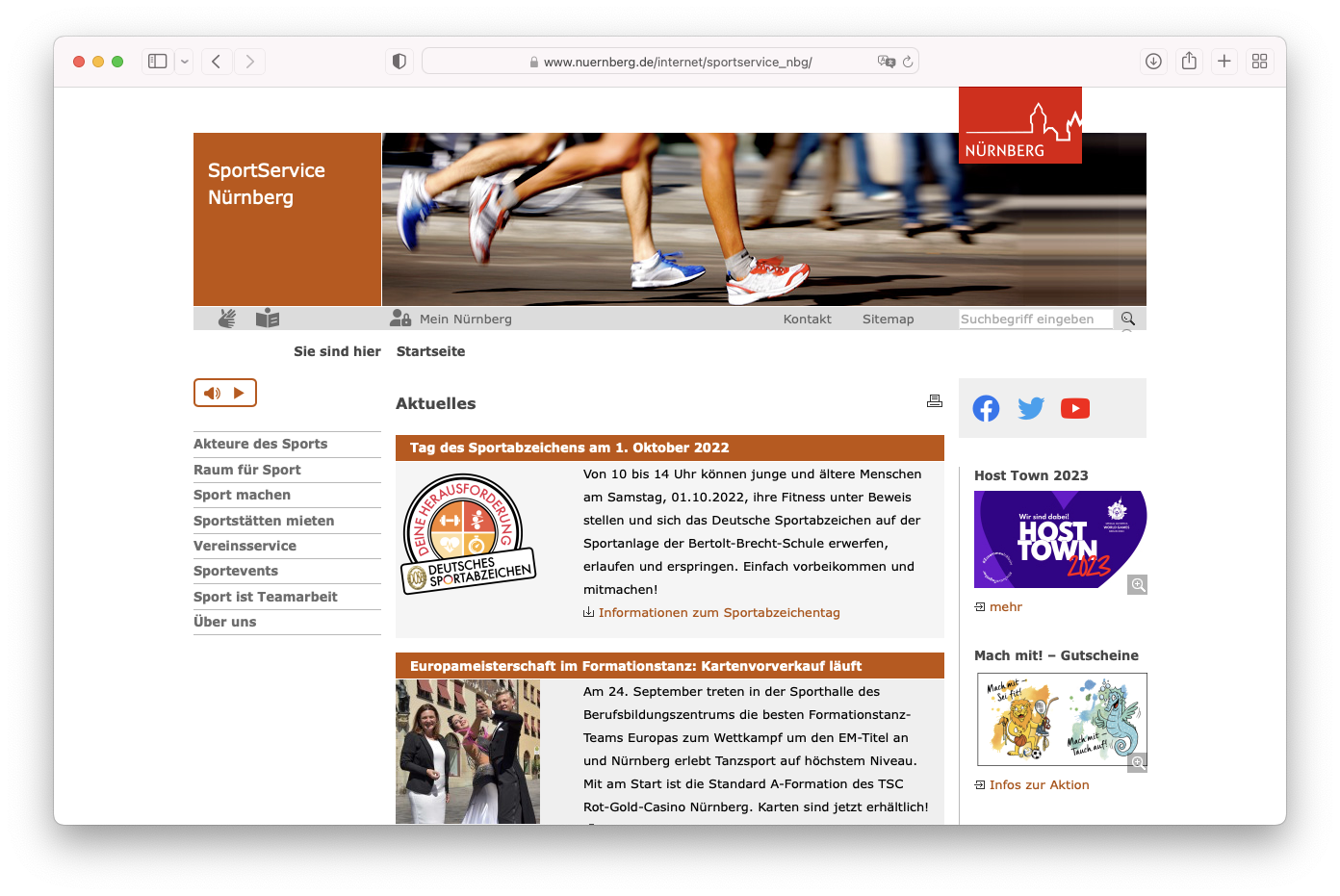
Here is what the city’s residents can find on the Sports Department’s website:
- Sports organisations
- Our best – top-level sport
- Competition organisers
- Sports clubs
- Sports infrastructure
- Where and how to practise sport
- How to hire sports halls
- Support and services for clubs
- Events
- Volunteering
✅ Grants
The city offers clubs a wide range of financial support. Here is an overview of the structure of sports grants:
- For club activities (flat-rate grant – €0.70 per participant, €3.50 per child)
- For investment in infrastructure
- For the long-term development of clubs
- For the use of municipal sports infrastructure
- To engage disadvantaged groups
- Integration of refugees into sports clubs
- Grant to mark a club’s anniversary (€3,250 for every 25th anniversary of a club)
Most clubs in Nuremberg have their own sports facilities (698 sports facilities are owned by clubs and 190 are managed by the department); however, for those that do not, the city makes municipal facilities available for hire. Clubs can receive significant discounts on the use of these facilities, particularly if they run programmes for young people or people with disabilities.
In addition, clubs in Nuremberg also receive a flat-rate club grant from Bavaria (Vereinspauschale). Under this scheme, funding is calculated based on the number of participants using the following formula: the total amount of the grant programme is divided amongst the clubs according to the ‘participation units’ they have accumulated. Participation units are determined as follows:
- 1 unit – for each adult club member
- 10 units – for each child or young person (up to 26 years of age)
- 650 units – for each licensed coach (or 325 if the coach also coaches at another club)
Membership numbers are verified using reports from the relevant association or federation to which the club belongs. If a club does not accumulate 500 units, funding will not be provided.
🧐 Key features
Perhaps the most notable feature of Nuremberg is the variety of grants available. In addition to those mentioned above, the city offers grants to encourage club mergers, as well as grants for projects that do not fall under the standard grant categories. In fact, the city recognises that it may not have all the information regarding the clubs’ needs, and provides an opportunity to show initiative and creativity.
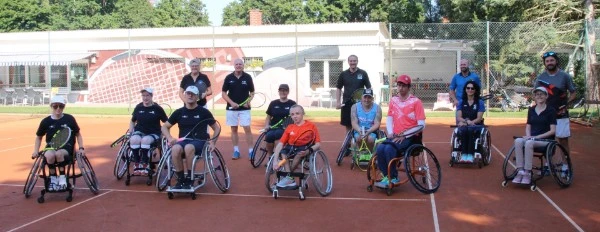
❤️ For example, there is a grant for the most interesting projects aimed at socially important goals – ‘Move something’. One example of such a project is tennis lessons for people in wheelchairs.
In addition, there are dozens more funds and funding programmes from the public and private sectors available to clubs, particularly those with elite athletes.
Toruń (Poland) 🇵🇱
Toruń is one of Poland’s oldest cities and has a population of 197,000 (similar to Bila Tserkva in Ukraine).
📜 Historical background
Poland’s sports system is based on the traditions of the German and British models. The organised development of sport is considered to have begun with the founding in Lviv of the Polish gymnastics society ‘Sokół’ in 1867 (Lviv, like the rest of Galicia, was then part of Austria-Hungary), which followed the ideals of the Czech ‘Sokół’ society and aimed to strengthen the younger generation both spiritually and physically. At the time of its foundation, the Lviv ‘Sokół’ had 125 members, and by 1892 this number had risen to over a thousand. Branches of ‘Sokół’ were also established in other cities, and the number of sections for various sports was expanded. The society already bore a resemblance to European sports clubs, although it remained closely linked to the ideals of fostering patriotic youth capable of defending the nation’s sovereignty.
At the beginning of the 20th century, Lviv became home to a whole host of sports clubs, which began as football clubs and grew into multi-sport organisations: these included Lechia Lwów (1903), Czarni Lwów (1903) and Pogoń Lwów (1904). Most clubs of that era were closely linked to the education system and were established at grammar schools and universities. This connection is still evident today – the Academic Sports Association (AZS) brings together over 40,000 members from 250 clubs.
🎓 Legislative framework
- Act of 25 June 2010 on sport (Journal of Laws No. 127, item 857, as amended), Chapter 2
- Act of 7 April 1989 on Associations (Journal of Laws of 2001, No. 79, item 855, as amended)
- Act of 15 February 1992 on corporate income tax (Journal of Laws of 2000, No. 54, item 654, as amended), Article 17(1)(5a)
- Act of 27 August 2009 on public finances
- Act of 24 April 2003 on public benefit activities and volunteering
💰 Budget
The city’s total budget for 2022 is 306 million euros. Of this, 839,000 euros (3.9 million zlotys) has been allocated to grant programmes.
🏦 Sports Department
The Sports Department’s website of Toruń City Council provides the following information:
- Sports infrastructure
- Sports clubs
- Support for sport
- Awards and scholarships
- Sports grants
- Active leisure
- Cycling around the city
✅ Grants
The city offers four grant programmes for the development of sport:
- Call for proposals 13/2022 – For the development of high-performance sport in the senior category
- Call for proposals 15/2022 – For the development of children’s and youth sport
- Call for Proposals 16/2022 – To support and promote physical culture and health
- Call for Proposals 53/2022 – To organise national and international competitions in Toruń that enhance the city’s sporting image
In 2022, applications were submitted by 56 clubs, two of which were rejected.
Process
In November, information about grant programmes is published on the City Council’s website and in official bulletins (last year – 19 November). Clubs must submit their applications via the Polish competitive programme management system, witkac.pl, by the end of December (but must then confirm this by letter to the department).
Eligibility criteria
- be a non-profit organisation
- the grant may not exceed 70 per cent of the project’s total costs
The programme objectives are as follows:
- organising training sessions
- participating in competitions
- providing additional support for talented athletes
- achieving high results
- enhancing Toruń’s sporting image
What the funds can be spent on
- hire of sports facilities for training and competitions
- salaries and scholarships (but no more than 60 per cent)
- participation in competitions
- purchase of sports equipment for the club
- sports training camps
- indirect operating costs (but no more than 15 per cent)
Allocation process
The Mayor appoints a committee to review and assess applications and decides on the awarding of grants.
🧐 Key features
🙍♂️ It is worth noting that the decision to award grants is made by the mayor. The current mayor of Toruń is Michał Zaleski, who has held this position since 2002. It would be interesting to investigate the level of public trust in the mayor, but information from open sources strongly suggests that trust in the mayor is high, which explains why the final decision on awarding grants is made by him alone.
Montpellier (France) 🇫🇷
Montpellier is a city in the south of France with a population of 295,000 (roughly the size of Chernihiv or Kherson).
📜 Historical background
The French sports system was shaped directly by the British model. The first sports clubs opened in Paris in the 19th century and were founded by British expatriates living in France. Initially, their members were exclusively university students; however, by the end of the century, organised sports clubs began to spring up en masse in other French cities. The values and objectives behind the formation of clubs in France varied from one social group to another, though socialisation remained a fundamental value. However, clubs often practised several sports and were closely linked to religious or political organisations, incorporating elements of patriotic education. Setting up new clubs was relatively difficult.
This changed with the Associations Act of 1901. ‘Associations’ referred to non-profit voluntary associations of citizens, and the Act was primarily intended to separate the church from education. The new law guaranteed citizens the freedom to form new organisations without the need for consent or authorisation. This had a major impact on the formation and subsequent development of clubs, regional sports associations and national federations.
The 20th century saw the emergence of the traditional pyramid structure of the French system (with clubs as the foundation), alongside the formation of federations for most sports and the ‘internationalisation’ of sport. The focus of sporting development shifted towards competitive sport. Clubs became more specialised in a single sport and formed regional associations and leagues. Over the last few decades, a reverse trend has been observed: a greater focus on sport for all, on multi-sport clubs, on the health and social functions of sport, and on greater democratisation of governance.
Today, France has around 175,000 sports clubs, with an average of around 125 members each.
🎓 Legislative framework
💰 Budget
The city’s total budget for 2022 is 557 million euros, of which 20.4 million is allocated to sport (including investments). Of this, €2 million is allocated to sports grants.
🏦 Sports Department
Montpellier City Council maintains 270 municipal sports facilities and organises a large number of its own sporting events, aimed at encouraging as many residents as possible to take part in sport. Every year, a schedule and maps of organised sessions for various sports are published; these are free for children (or available at significant discounts).
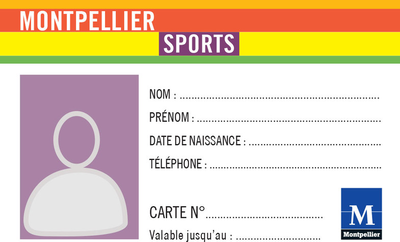
City residents can apply for a ‘Sports Card’, which grants access to organised sessions at municipal sports centres. Upon prior registration, children can also attend special regular and seasonal courses, which are tailored to school holidays and the summer season.
It is worth quoting the city’s sports policy:
Sport holds significant value in modern society. As a source of self-fulfilment and a vehicle for collective values, sport has always aimed to bring people together. It can – and must – serve as a school for social life, fostering the ideals of respect and tolerance, generosity and self-improvement. It is also an important factor in public health, particularly in the face of the alarming phenomenon of childhood obesity.
Taking part in sport, joining a club – whether for competition or leisure – means developing your physical abilities and team spirit. It means reaching out to others, getting to know them, and living better alongside them. Sport is indeed one of the key drivers of social integration and personal fulfilment in our society.
That is precisely why the city of Montpellier has created the ‘Sport for All’ programme, which enables everyone, regardless of age, to practise the sport of their choice close to home, thanks to hundreds of sports associations, the most renowned of which go on to compete at the highest levels of French and European sport every year.
✅ Grants
The ‘free’ provision of municipal sports services and courses is achieved through collaboration with clubs – non-profit organisations representing various sports. Ideas and proposals for programmes and courses are submitted by the clubs and selected on a competitive basis. The city provides its infrastructure and funds 70 per cent of the running costs.
The city council’s website contains detailed instructions and templates for completing applications for ‘sports partnership’ grants. Applications are submitted by email and are assessed on a competitive basis.

🧐 Key features
🪪 A notable feature is the relatively high level of centralisation of sports services under the municipality’s brand, as well as the ‘sports card’ – a document granting access to classes and courses organised under the auspices of the municipality.
Bergen (Norway) 🇳🇴
Bergen is Norway’s second-largest city, with a population of 285,000 (roughly the same as Poltava or Kherson in Ukraine).
There are 700 non-profit sports clubs in the city – 300 of which are corporate (set up by companies).
📜 Historical background
Norway’s sporting model has strong national traditions, influenced by the German and British models of sport. First and foremost, Norway had its own tradition – idrett – which encompassed typical sporting activities such as skiing, ice skating and shooting. The German practice of gymnastics – ‘turnen’ – gained popularity as a means of building physical fitness and fostering discipline within a group.
Both idrett and gymnastics fitted well with the interests of the Norwegian Ministry of Defence, which promoted sport in the 19th century by providing financial support to clubs and associations. The first association of clubs was, in fact, the Central Federation for the Promotion of Physical Exercise and the Use of Weapons (Centralforeningen for Utbredelse af Legemsøvelser og Vaabenbrug).
At the beginning of the 20th century, new sports (particularly football), introduced from other countries, were gaining popularity. Norwegian sport split into two strands: sport for the masses (the Workers’ Sports Association, Arbeidernes Idrettsforbund) and the more bourgeois competitive sport (the National Sports Federation, Landsforeningen for Idræt – the successor to Centralforeningen). In 1946, the two organisations were merged into a single body – the Norwegian Sports Confederation (NIF), which merged with the Olympic Committee in 1996 and with the Paralympic Committee in 2008.
This has shaped a unique feature of the Norwegian system, which is both its strength and its weakness: sport is managed by a single organisation representing historically diverse disciplines and interests within sport.
The NIF is not a state organisation, but it can safely be regarded as Norway’s de facto ‘Ministry of Sport’. On the state side, matters relating to sport have been handled by the Ministry of Defence, the Ministry of Church and School Education and, currently, the Ministry of Culture and Equality. The state’s role has historically been limited to providing financial support for the sporting movement within society.
After the Second World War and the merger of the two organisations, sports development policy focused on two things: building infrastructure and encouraging greater participation in sport, particularly among young people and women. Between 1965 and 1985, club membership increased fourfold.
This sporting revolution, the golden age of Norwegian sport and the centralisation of governance led to the implementation of policies unique in Europe. For example, research has shown that the main reason for dropping out of sport at an early age is an excessive focus on competition. In 1974, a recommendation was introduced not to publish competition results for children under the age of 11. In 1985, this became a mandatory requirement.
Norway is also a leader in the field of protecting children’s rights in sport. For example, a child cannot be forced to take part in a sport they do not wish to practise. In general, Norway’s sports policy is based on scientific research, in which significant financial resources are also invested.
As a result, 8 out of 10 adults and 9 out of 10 children in Norway take part in sport regularly. Norway ranks first in the medal table at the Winter Olympic Games and ninth in the overall Olympic Games standings.
Currently, 90 per cent of Norway’s sports clubs are set up and run by volunteers. The economic impact of volunteering is estimated at 10–15 times the country’s total budget for sport.
🎓 Legislative framework
Norway does not have a ‘Sports Act’. Regulations and rules governing the functioning of the sports system fall within the remit of the NIF and regional associations.
💰 Budget
Bergen’s budget for 2022 stands at 2.5 billion euros. Of this, €2.4 million has been allocated to grants for sports clubs.
🏦 Sports Department
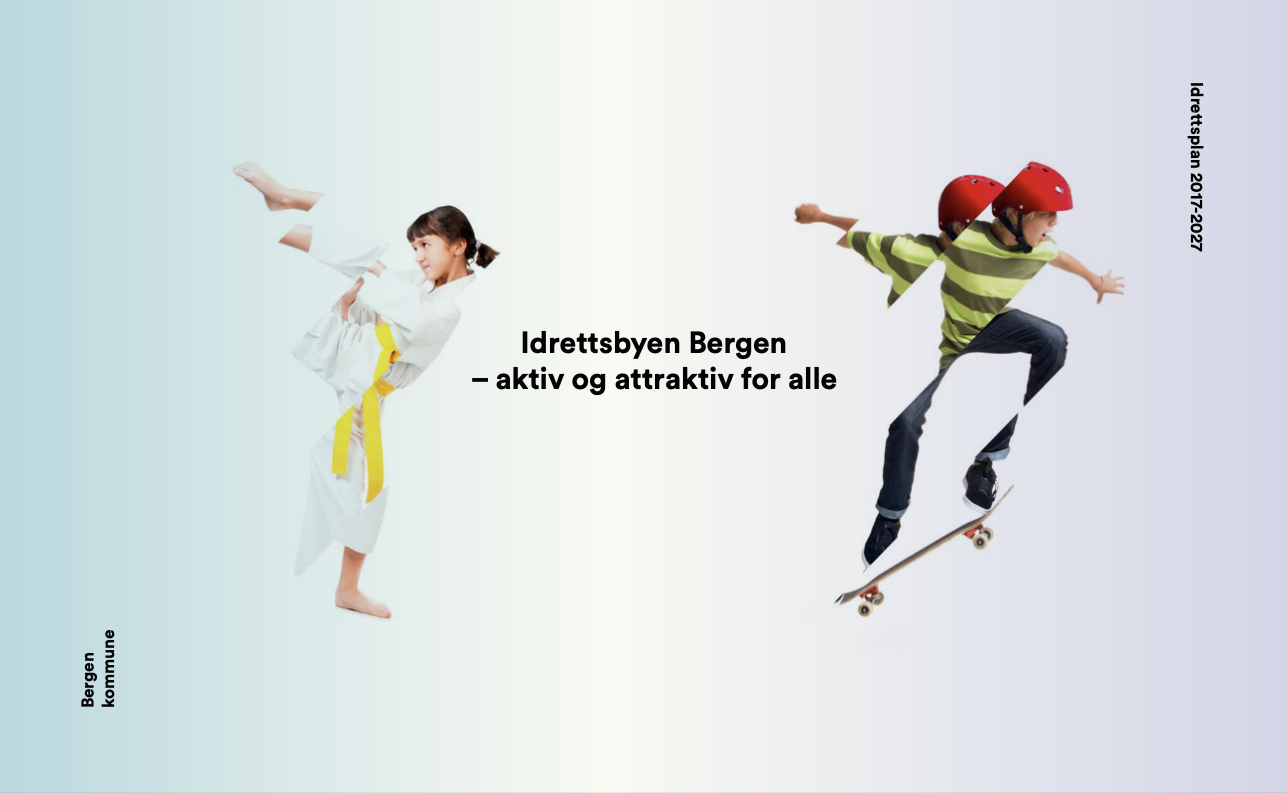
Bergen’s Sports Department formulates the city’s sports policy. This is set out in a comprehensive document of over 400 pages - “Bergen: A City of Sport 2017–2027 – Active and Attractive for All”.
The main objective of Bergen’s sports development is to enable as many citizens as possible to participate in high-quality sport, both independently and in organised settings. This is achieved through the most open dialogue and partnership possible with the city’s non-profit sports clubs.
The noteworthy ‘principle of free infrastructure’ is a city policy which states that the city must make every effort to ensure that sports clubs have access to the necessary infrastructure, whilst allowing them to spend their own funds on other purposes. Municipal infrastructure is allocated amongst the clubs.
The allocation takes place as follows: a committee is formed comprising representatives from the clubs and one representative from the sports department, who meet once a year to discuss the best way to allocate time slots. The number of club members is taken into account, the clubs’ needs are assessed, and early-evening slots (15:30–19:30) are prioritised for children’s and youth groups; shared bookings are actively encouraged. Less convenient time slots are distributed evenly throughout the year.
If clubs cannot agree on a time slot, a representative from the Department of Sport makes the decision on their behalf.
One of the conditions for using municipal facilities is agreement to implement the Norwegian policy on the protection of children’s rights in sport, as mentioned above.
✅ Grants
The city offers the sporting community a whole range of grants and development schemes:
- Support for organising competitions
- Support for private sports facilities
- Hire of sports facilities / equipment
- Grants to clubs for children’s and youth sport
- Fysak school activity grant
- Sports Talent Support Fund
- Grants for innovative and new projects
- Promoting inclusive sport
- Prizes and scholarships for athletes in Bergen
- Grants to encourage refugees to take part in sport
For example, the grant for the development of children’s and youth sport works as follows:
Process
Clubs do not need to do anything. Once a year, the local authority receives a register of club members from the Norwegian Sports Confederation, calculates the number of members under the age of 19, and divides the total grant amount amongst the clubs. The money is automatically transferred to the club’s bank account in the autumn.
What the funds can be spent on
This is decided by the club’s board.
The approach to infrastructure is also interesting. For example, there is a grant for owners of private sports facilities – the city compensates, as far as possible, for clubs’ use of private sports infrastructure as part of the ‘free infrastructure’ programme.
🧐 Key features
Bergen stands out in this study in many respects, though this is more a feature of Norway as a whole than of the city itself.
🖥 What is unique is the automatic allocation and funding via unrestricted grants: clubs do not even need to submit applications; it is sufficient to be listed in the Norwegian Sports Confederation’s register and to report on club membership in a timely manner.
🏟 Also of interest is the concept and policy of ‘free infrastructure’ – a strategically sound decision that takes a significant burden off clubs, allowing them to focus on tasks more specific to their sport.
💰 It is unusual to see detailed economic studies on the effectiveness of a city’s sports policy. In other countries, this is typically seen at national level, but not at city level. One interesting aspect was the assessment of the economic impact of volunteering (the voluntary contribution of one’s time and expertise) within clubs. The figure is consistent with nationwide studies in Europe – 10–15 times the total expenditure on sport. Bergen’s estimate is that volunteering generates 75 million euros in benefits.
🧒 Policies to protect children’s rights in sport are one of the reasons why nearly 9 out of 10 children in Bergen take part in sport, and they do so not for the sake of medals (children under the age of 11 are not even allowed to be ranked). At the same time, Norway consistently ranks first in the medal table at the Winter Olympic Games and ninth overall.
Conclusions
So, we have looked at 10 very different cities from 10 different European countries. Among them are 5 capital cities and 5 smaller cities.
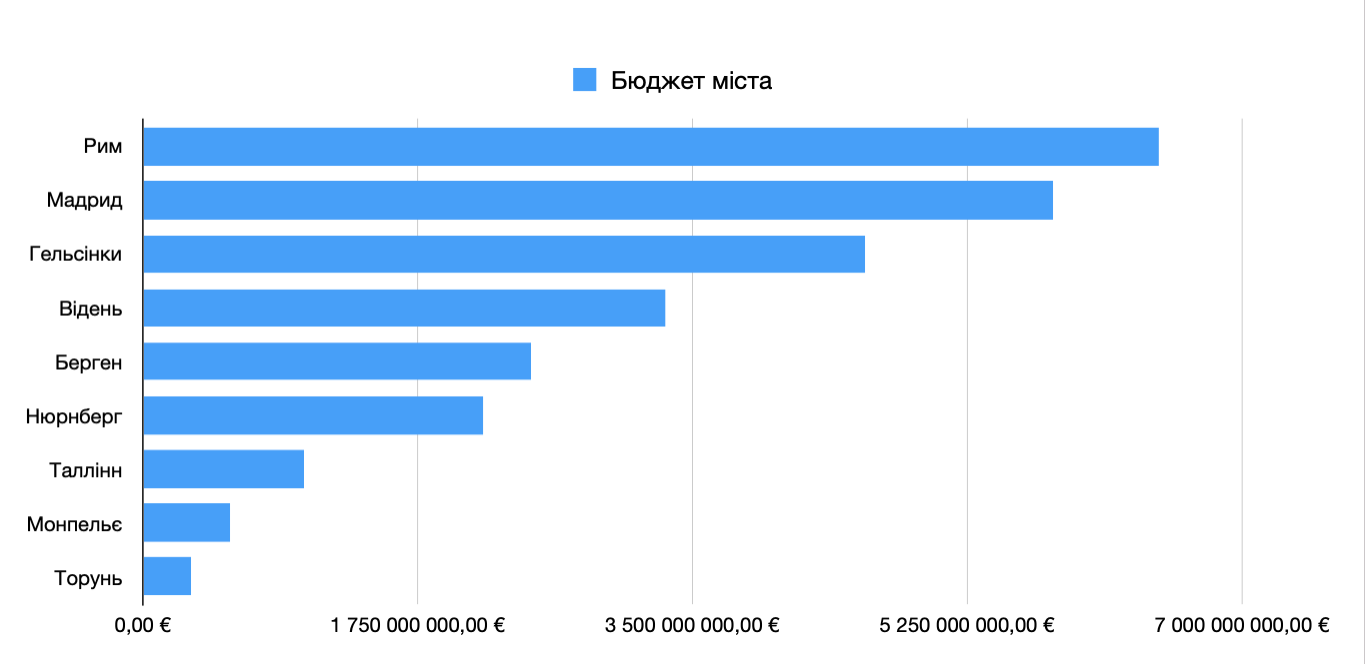
The cities have vastly different budgets, with varying percentages of funding allocated to sport and per capita.
Each city has its own distinctive features and differences in approach, programmes, implementation and communication with citizens. However, there are key commonalities, which are referred to as the ‘European model of sport’:
1. Sport = society
🇪🇺 In all the cities listed above, sport is rooted in society, represented in the form of sports clubs. The primary function of sport is recognised as its social dimension and its role in bringing society together.
🇺🇦 In Ukraine, there remains a strong perception that sport is a function of the state, and that the role of the sports system is to deliver results for the state.
2. Clubs = non-profit organisations
🇪🇺 With the exception of Tallinn, clubs are exclusively non-profit organisations. This is logical, given the first point – after all, non-profit organisations are the primary form of association for citizens when the purpose of the association is not business.
🇺🇦 In Ukraine, even the directors of sports departments are firmly convinced that clubs are ‘a business’ and ‘for the middle class’. There is a popular false dichotomy between ‘DYuSSh – free and for children’ versus ‘clubs – only for those who have money’.
3. Volunteering = the foundation and an economic superpower
🇪🇺 Volunteering is the foundation of a robust club-based sports system, enabling clubs to weather difficult periods, such as wars. Economic studies on the impact of volunteering in sports clubs consistently show figures 10–15 times (!) higher than the total national or municipal budget for sport. A great deal of effort is being put into promoting the volunteering movement, as well as supporting, recognising and rewarding volunteers.
🇺🇦 In Ukraine, the concept of ‘volunteering in sport’ is still met with a smile. The economic value of this natural phenomenon in civil society remains misunderstood and unknown to the wider community of sports officials.
4. Policy = to involve as many people as possible in sport
🇪🇺 Almost all cities have clearly defined objectives for funding sport, as this involves taxpayers’ money. The main aim is to provide the highest quality and most diverse range of sporting services to as many people as possible. In fact, the issue of sports development policy boils down to incentivising the public and private sectors, and to the effective coordination and allocation of limited resources (such as infrastructure or the city’s budget for sports development).
If we were to represent this as a graph, where the x-axis shows the proportion of the city’s population (as a percentage) and the y-axis shows satisfaction with the sports services available in the city, then the policy would amount to increasing the area under this graph:
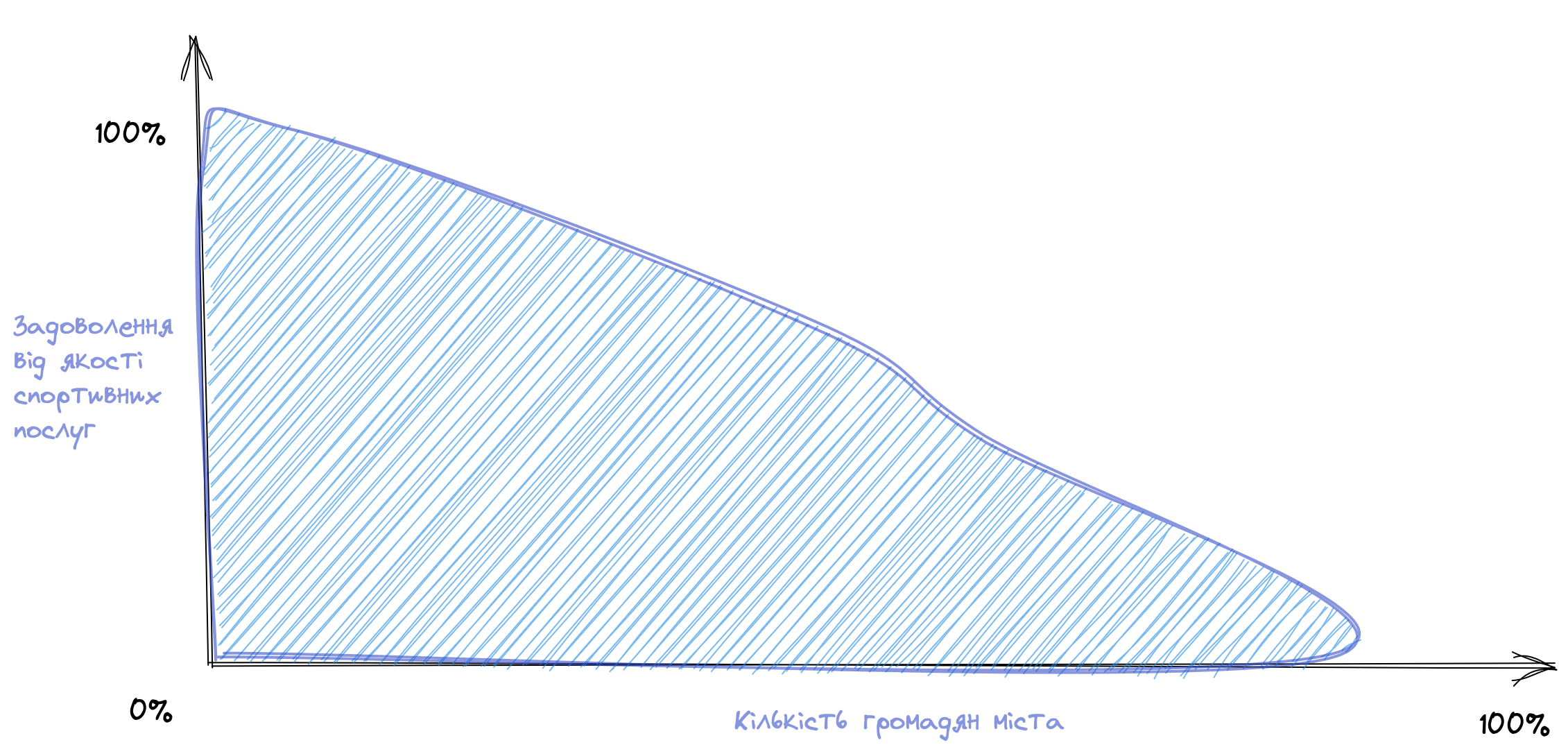
🇺🇦 In Ukraine, however, there are still no cities that have a similar policy for the development of sport. Sports departments, which historically were part of the Soviet machinery for meeting medal quotas, continue to operate according to the same schemes, mindsets and policies.
The lion’s share of the city’s budget goes towards maintaining a small number of state-run children and youth sports schools (DYuSSh), which were established to achieve entirely different objectives in a different country without a market economy or civil society.
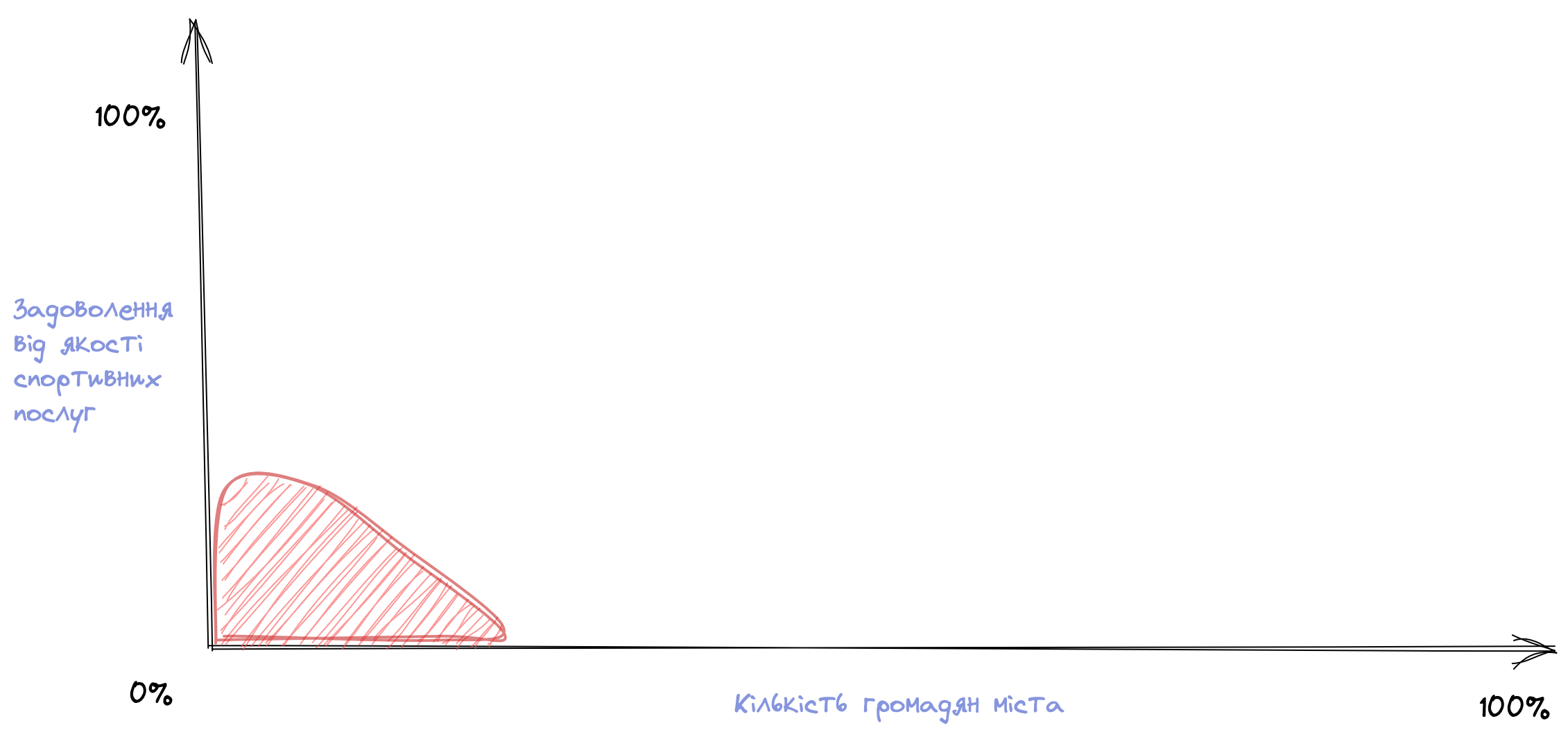
Sports development policy in Ukrainian cities is optimised according to the Soviet ‘results-oriented’ model; therefore, rather than increasing the area under the graph, it is, on the contrary, designed to shrink it: children who ‘fail to deliver results’ are expelled from sport (so as not to take up valuable resources), mass sport is disparagingly referred to as ‘physical education’ or ‘not real sport’, the policy on the use of sports infrastructure aims to grant access only to a small group of ‘talented’ individuals, whilst sport for adults, older people and people with disabilities is not even regarded as an important topic for discussion.
5. The Department of Sport = a partner and an investor
🇪🇺 Sports departments in all 10 cities are, first and foremost, a link in the chain of communication between the city’s sporting community and the local authorities. Their main task is to provide clubs with as many opportunities as possible to develop sport, to ensure transparency and accountability in the use of taxpayers’ money, and to use these funds as effectively as possible to engage all sections of the population in sport, particularly under-represented and low-income groups. This is achieved through the formulation of their own development policies, ongoing communication with citizens, strategic planning, and the investment of public funds with a long-term planning horizon.
🇺🇦 In Ukraine, sports departments are bureaucratic bodies created to maintain the Soviet-era system of children’s and youth sports schools. They lack experience in formulating their own sports development policies – their role is to maintain a state system that has remained unchanged since Soviet times. The most progressive sports departments in Ukrainian cities have only initiatives that attempt to patch up the problems of the existing system, such as digitising the DYuSSh to reduce corruption, or setting up new municipal enterprises and calling them ‘clubs’.
To summarise, all the cities examined are developing sport through non-profit clubs, acting as partners and investors. Despite the diversity of approaches, and the varying sizes of cities and budgets, civil society and clubs remain the foundation of sport in European countries.
We’d be grateful if you could share this study on social media!
PS. Hundreds of sources and academic papers were used in the course of this study. Compiling and publishing the full list of sources will take some time, so if you spot any errors or inaccuracies, or would like to explore any of the topics in greater depth – please feel free to contact us; we’ll do our best to correct any issues and respond.